Blog

  • Artificial Intelligence vs Artificial General Intelligence

    Artificial Intelligence vs Artificial General Intelligence

    Artificial Intelligence (AI) has become one of the most transformative technologies of the 21st century. From voice assistants and recommendation systems to self-driving cars and medical diagnosis tools, AI is already integrated into many aspects of modern life.

    However, within the broader discussion of AI, another concept often appears: Artificial General Intelligence (AGI). While AI is already widely used today, AGI remains a theoretical or future form of intelligence that could dramatically change technology, business, and society.

    Understanding the difference between Artificial Intelligence (AI) and Artificial General Intelligence (AGI) is essential for anyone interested in technology, business innovation, or the future of automation.

    What is Artificial Intelligence (AI)?

    Artificial Intelligence refers to machines or software that are designed to perform tasks that typically require human intelligence. These tasks may include:

    • Recognizing speech

    • Understanding language

    • Identifying images

    • Making predictions

    • Learning from data

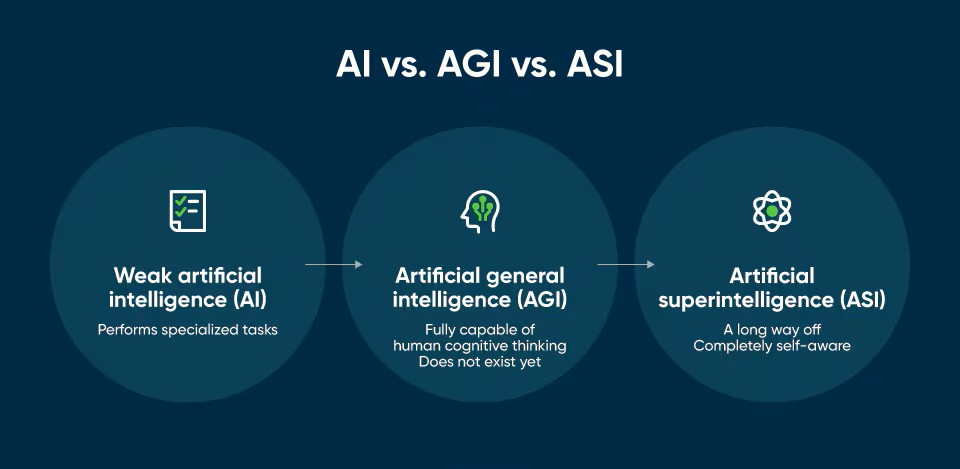
    Most of the AI systems used today are known as Narrow AI (or Weak AI). This means they are designed to perform specific tasks rather than possessing general intelligence like humans.

    Examples of Artificial Intelligence

    Some common examples of AI used in daily life include:

    • Voice assistants like Siri or Alexa

    • Netflix or YouTube recommendation algorithms

    • Chatbots used in customer support

    • Facial recognition systems

    • Fraud detection in banking

    Key Characteristics of AI

    • Task-Specific Intelligence
      AI systems are designed to perform one specific task very efficiently.

    • Data-Driven Learning
      AI models learn patterns from large datasets.

    • Automation
      AI helps automate repetitive tasks.

    • No True Understanding
      AI does not possess consciousness or real understanding.

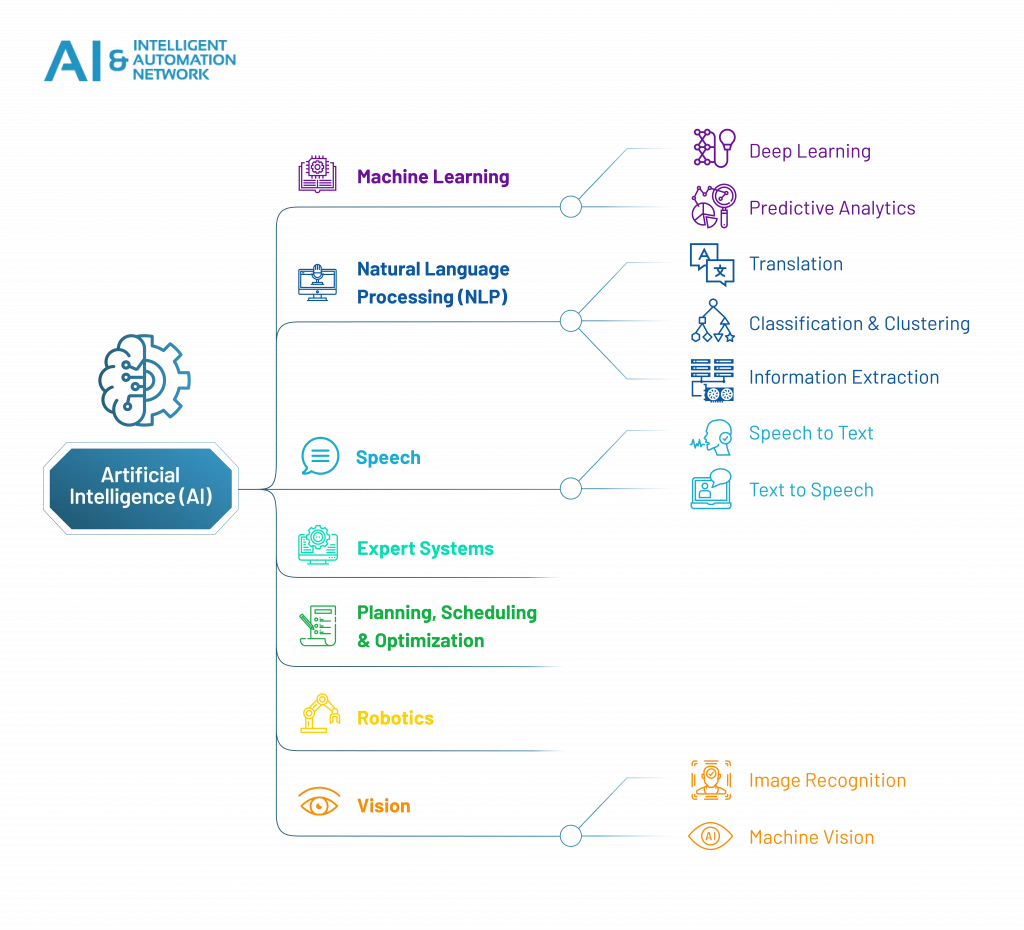
    Technologies Behind AI

    • Some core technologies used in AI include:

      • Machine Learning

      • Deep Learning

      • Natural Language Processing (NLP)

      • Computer Vision

      • Robotics

    What is Artificial General Intelligence (AGI)?

    Artificial General Intelligence (AGI) refers to a hypothetical form of artificial intelligence that can understand, learn, and perform any intellectual task that a human can do.

    • Learn new skills independently

    • Reason and solve complex problems

    • Understand context

    • Transfer knowledge between different domains

    Capabilities of AGI

    • If developed, AGI systems could potentially:

      • Conduct scientific research

      • Solve global problems

      • Learn multiple professions

      • Create new technologies

      • Understand emotions and context

    Key Characteristics of AGI

    • Human-Level Intelligence

    • Ability to Learn Any Task

    • Reasoning and Problem-Solving

    • Adaptability Across Domains

    • Autonomous Learning

    Differences Between AI and AGI

    FeatureArtificial Intelligence (AI)Artificial General Intelligence (AGI)
    Intelligence TypeNarrow / Task-SpecificGeneral / Human-like
    Learning AbilityLimited to trained tasksCan learn any intellectual task
    FlexibilityLowVery High
    Current StatusAlready existsStill theoretical
    ExamplesChatbots, Recommendation SystemsHypothetical human-level machines

    Real-World Applications of AI Today

    AI is already transforming many industries, including:

    1. Healthcare

    AI helps doctors analyze medical images, detect diseases early, and personalize treatments.

    2. Finance

    Banks use AI for fraud detection, risk assessment, and automated trading.

    3. E-commerce

    AI powers recommendation systems and personalized shopping experiences.

    4. Marketing

    Businesses use AI tools to analyze customer behavior and optimize advertising campaigns.

    5. Transportation

    Self-driving vehicles and traffic prediction systems rely on AI technologies.
    Why AGI Could Be Revolutionary

    If AGI becomes a reality, it could revolutionize nearly every field.

    Possible impacts include:

    • Accelerated scientific discoveries

    • Automation of complex professions

    • Solving climate and energy challenges

    • Advanced medical research

    • Intelligent robotics

    However, AGI also raises ethical and safety concerns, including:

    • Job displacement

    • Control over autonomous systems

    • Security risks

    • Ethical decision-making by machines

    Challenges in Developing AGI

    1. Understanding Human Intelligence

    Scientists still do not fully understand how human intelligence works.

    2. Computational Power

    AGI may require enormous computing resources.

    3. Data and Learning Models

    Current AI models rely heavily on training data and lack true reasoning ability.

    4. Safety and Ethics

    Ensuring AGI behaves safely and aligns with human values is a major challenge.

    Future of Artificial Intelligence

    • More advanced machine learning models

    • Improved human-AI collaboration

    • Smarter automation tools

    • Integration with robotics and IoT

    While AGI may take decades to develop, AI will continue evolving rapidly and reshaping industries worldwide.

    Businesses that adopt AI technologies early will gain significant competitive advantages in the coming years.